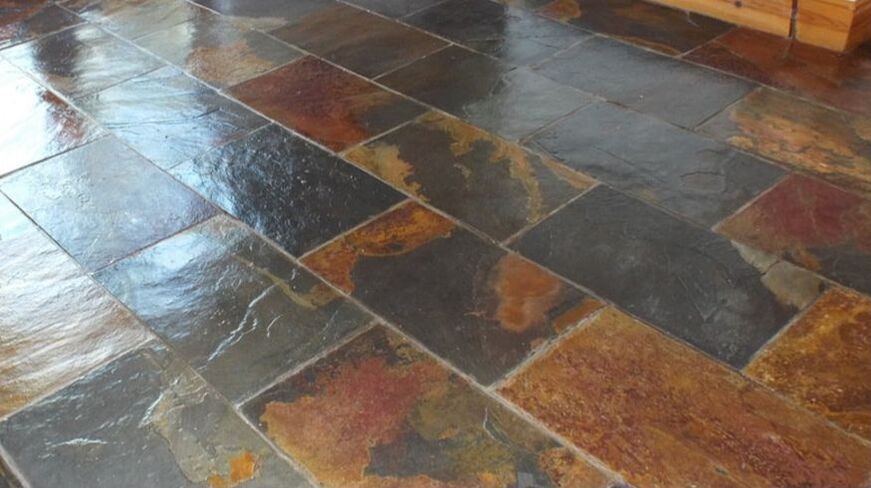
Slate flooring is one of the most durable and attractive natural stone flooring options available. Its unique textures, rich colour variations, and long lifespan make it a popular choice for kitchens, bathrooms, hallways, patios, and commercial spaces. Unlike manufactured tiles, no two slate tiles are exactly the same, giving every floor its own natural character.
However, keeping slate looking beautiful requires more than just regular mopping. Many homeowners unknowingly use harsh cleaning products or incorrect cleaning methods that slowly damage the stone’s protective sealer, leaving the surface dull, stained, or difficult to maintain.
The good news is that slate floor cleaning doesn’t have to be complicated. With the right products, a simple cleaning routine, and a few maintenance habits, you can keep your slate flooring looking clean, vibrant, and well-protected for many years.
Whether you’re dealing with everyday dust, muddy footprints, pet stains, or simply want to learn the safest way to clean a slate floor, this guide covers everything you need to know.
Why Do Slate Floors Need Special Care?
Slate is a natural stone, which means every tile has its own texture, density, and level of porosity. These natural characteristics are what make slate so visually appealing, but they also mean it needs different care than ceramic or porcelain tiles.
Although slate is known for its strength and durability, it isn’t completely maintenance-free. Small particles of dirt, sand, and grit can gradually scratch the surface every time someone walks across the floor. Over time, this can make the finish appear dull and worn.
Moisture is another factor that shouldn’t be overlooked. While properly sealed slate offers excellent protection, standing water and harsh chemicals can slowly weaken the protective sealer, allowing stains and dirt to penetrate the stone.
Understanding how slate responds to daily wear is the foundation of effective slate floor cleaning and long-term maintenance. With proper care and routine professional cleaning, slate floors can maintain their natural character and appearance for many years.
What Causes Slate Floors to Lose Their Natural Beauty?
Most slate floors don’t suddenly become dull or stained overnight. Instead, everyday wear and improper cleaning habits slowly reduce their appearance over time.
Some of the most common causes include:
- Dirt and grit scratching the surface.
- Using acidic cleaners such as vinegar or lemon juice.
- Mopping with excessive amounts of water.
- Leaving food, oil, or drink spills on the floor.
- Skipping regular sweeping or vacuuming.
- Allowing the protective sealer to wear away.
- Using abrasive brushes or cleaning pads.
The good news is that nearly all of these problems are preventable. A simple maintenance routine combined with stone-safe cleaning products can help preserve your slate floor’s natural beauty and extend its lifespan.
Best Way to Clean a Slate Floor (Step-by-Step Guide)
Cleaning slate flooring properly doesn’t require expensive equipment. Following the right process will remove dirt effectively without damaging the natural stone.
Step 1: Remove Loose Dirt and Dust
Before mopping, sweep or vacuum the floor thoroughly. Tiny particles of sand and grit can act like sandpaper underfoot, gradually scratching the slate’s surface.
For the best results:
- Use a soft-bristle broom.
- Vacuum using the hard-floor attachment.
- Pay extra attention to corners, grout lines, and entrances where dirt usually collects.
Step 2: Prepare a Stone-Safe Cleaning Solution
Avoid using ordinary household cleaners.
Instead, choose:
- A pH-neutral cleaner made for natural stone.
- A slate-specific floor cleaner.
- Warm water for light weekly cleaning.
Always follow the manufacturer’s mixing instructions. Using more cleaner than recommended won’t make the floor cleaner—it can actually leave behind residue.
Step 3: Mop with a Damp Microfiber Mop
Dip your microfiber mop into the cleaning solution, then wring it out well before use.
A damp mop is all that’s needed. Excess water can seep into grout lines and affect the condition of the stone over time.
Work across the floor in small sections, rinsing the mop regularly to avoid spreading dirt around.
Step 4: Remove Excess Moisture
Once the floor has been cleaned, dry it with a clean microfiber cloth or allow it to air dry naturally.
Avoid leaving standing water on slate flooring, especially in areas with heavy foot traffic or older sealers.
Which Cleaners Are Safe for Slate Floors?
One of the biggest mistakes homeowners make is assuming that every floor cleaner is suitable for slate. Because slate is a natural stone, it needs products that clean effectively without damaging the surface or its protective sealer.
The safest option is always a pH-neutral cleaner specifically designed for natural stone. These cleaners remove dirt, grease, and everyday grime while protecting the stone’s finish.
For regular slate floor cleaning, you can safely use:
- pH-neutral stone cleaners
- Cleaners labelled for natural stone
- Warm water for light weekly cleaning
- A microfiber mop for gentle cleaning
- Soft microfiber cloths for drying the floor
Before trying any new cleaning product, read the label carefully. If it doesn’t clearly mention that it’s safe for natural stone, it’s better to choose a different product.
A good cleaner doesn’t just remove dirt—it also helps preserve the appearance and lifespan of your slate flooring.
Cleaners You Should Never Use on Slate Flooring
Some household cleaning products may seem effective, but they can slowly damage natural stone without you noticing.
Acidic or highly alkaline cleaners can wear away the protective sealer, leaving slate vulnerable to stains, moisture, and surface damage.
Avoid using the following products:
- Vinegar
- Lemon juice
- Bleach
- Ammonia
- Abrasive cleaning powders
- Steel wool
- Wire brushes
- Strong chemical degreasers
These products may strip away the sealer, dull the natural finish, or even leave permanent marks on the stone.
If you’re ever unsure about a product, it’s always safer to stick with a stone-safe cleaner recommended for slate or other natural stone surfaces.
Benefits of Regular Slate Floor Cleaning
Cleaning your slate floor regularly does much more than improve its appearance. A simple maintenance routine helps protect your investment and keeps the flooring looking its best for years.
Some of the biggest benefits of slate floor cleaning include:
- Preserves the natural colour and texture of the stone.
- Reduces scratches caused by dirt and grit.
- Helps prevent stubborn stains.
- Protects the floor’s protective sealer.
- Extends the lifespan of the flooring.
- Makes weekly cleaning quicker and easier.
- Improves indoor cleanliness by reducing dust and allergens.
- Maintains the overall value and appearance of your property.
The effort required for routine cleaning is small compared to the cost of repairing or restoring damaged natural stone.
If your slate floor already has years of built-up dirt, deep stains, or a worn finish, professional slate floor cleaning can restore much of its original appearance while preparing the surface for resealing.
Simple Maintenance Tips to Keep Slate Floors Looking Their Best
You don’t always need a deep clean to keep slate flooring in excellent condition. Small habits followed consistently can make a noticeable difference over time.
Here are a few easy ways to protect your slate floor:
- Place doormats at every entrance to reduce dirt and grit.
- Sweep or vacuum several times a week in busy areas.
- Clean spills immediately before they soak into the stone.
- Use felt pads under furniture legs to prevent scratches.
- Lift heavy furniture instead of dragging it across the floor.
- Avoid allowing water to remain on the surface after mopping.
- Reapply the protective sealer whenever recommended.
These simple habits take only a few minutes but can significantly extend the life and beauty of your slate flooring.
Common Slate Floor Cleaning Mistakes That Can Damage Your Floors
Even homeowners who clean their slate floors regularly can unknowingly make mistakes that shorten the life of the stone.
Most damage happens gradually, making it difficult to notice until the floor starts looking dull, stained, or uneven.
Using the Wrong Cleaning Products
Many all-purpose floor cleaners contain chemicals that aren’t suitable for natural stone.
Products with bleach, ammonia, or acidic ingredients can slowly break down the protective sealer, making the floor more likely to stain and lose its natural shine.
Mopping with Too Much Water
Using a soaking wet mop doesn’t result in a cleaner floor.
Instead, excess moisture can collect around grout lines and seep into the stone, especially if the protective sealer has started to wear away.
A damp microfiber mop is the safest choice for routine slate floor cleaning.
Skipping Regular Sweeping
Dust, sand, and tiny grit particles act like fine sandpaper under shoes.
Without regular sweeping or vacuuming, these particles gradually scratch the slate’s surface and reduce its natural finish.
Leaving Spills for Too Long
Coffee, cooking oil, wine, juice, and pet accidents should always be cleaned up as soon as possible.
Although sealed slate offers good protection, leaving spills on the surface for long periods increases the risk of staining.
Forgetting to Reseal the Floor
Many homeowners remember to clean their slate flooring but forget that the protective sealer doesn’t last forever.
Once the sealer wears away, moisture and dirt can penetrate the stone much more easily, making cleaning more difficult and increasing the risk of permanent stains.
DIY vs Professional Slate Floor Cleaning
Routine maintenance is essential for every slate floor, but there are times when professional cleaning delivers results that standard household equipment simply can’t achieve.
| DIY Slate Floor Cleaning | Professional Slate Floor Cleaning |
| Ideal for weekly maintenance | Ideal for deep cleaning and restoration |
| Removes surface dirt and dust | Removes years of embedded grime |
| Uses stone-safe household cleaners | Uses professional-grade equipment |
| Helps maintain the floor’s appearance | Restores the stone’s natural colour and finish |
| Suitable for regular care | Recommended for heavily stained or worn floors |
| Affordable for ongoing maintenance | Provides long-lasting results with expert care |
For most homeowners, the best approach is a combination of both. Regular DIY cleaning keeps everyday dirt under control, while occasional professional cleaning helps restore the floor and protect it for years to come.
When Should You Call a Professional?
Even with regular maintenance, some slate floors eventually need more than routine cleaning.
Over time, dirt can become trapped deep within the stone’s textured surface, sealers begin to wear away, and stains become increasingly difficult to remove using standard cleaning products.
It may be time to contact a professional if you notice:
- Stains that won’t disappear after repeated cleaning.
- Dark or heavily discoloured grout lines.
- A dull finish across the entire floor.
- Deeply embedded dirt in textured slate.
- Uneven colouring or patchy areas.
- Old sealers that need to be removed and replaced.
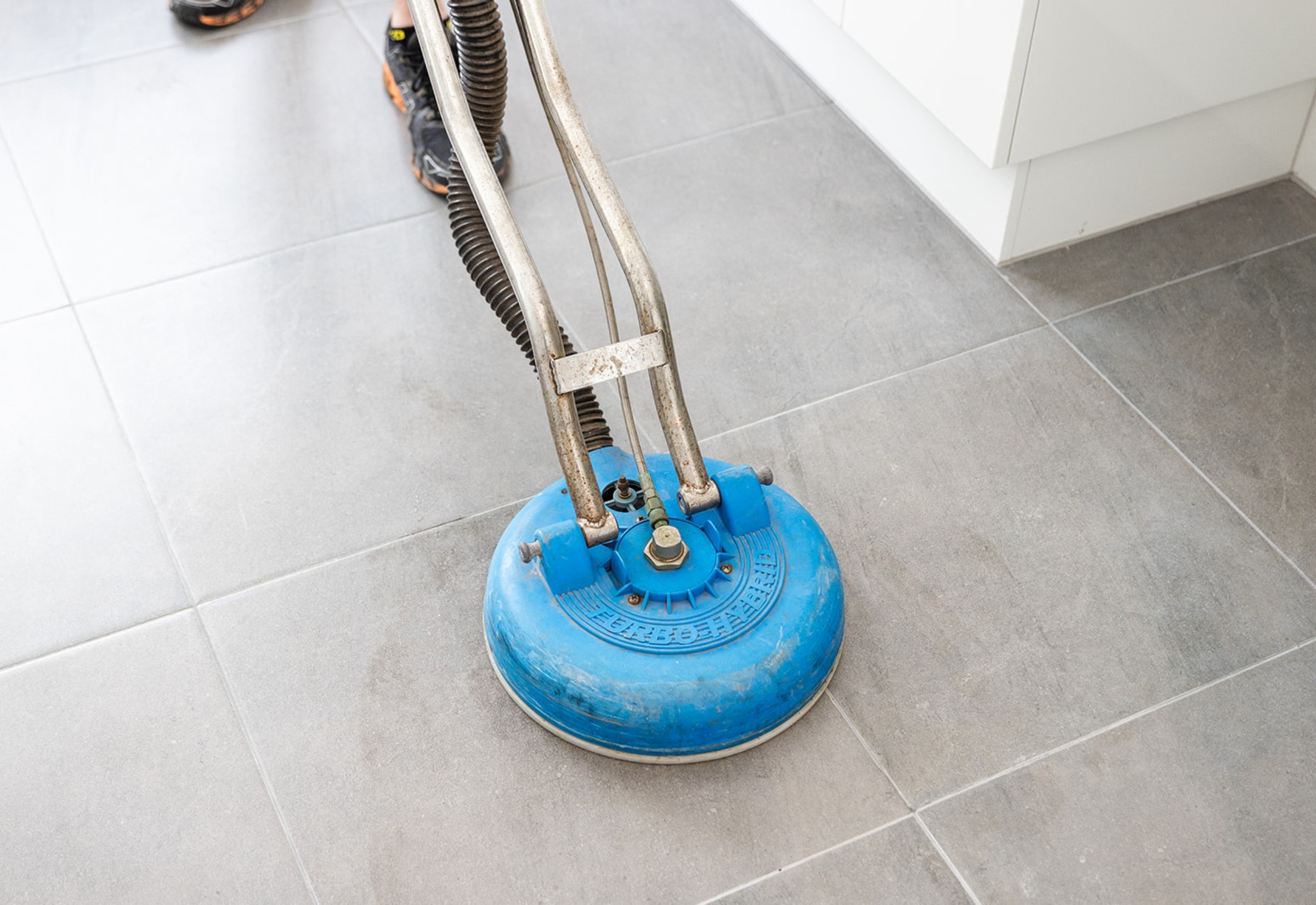
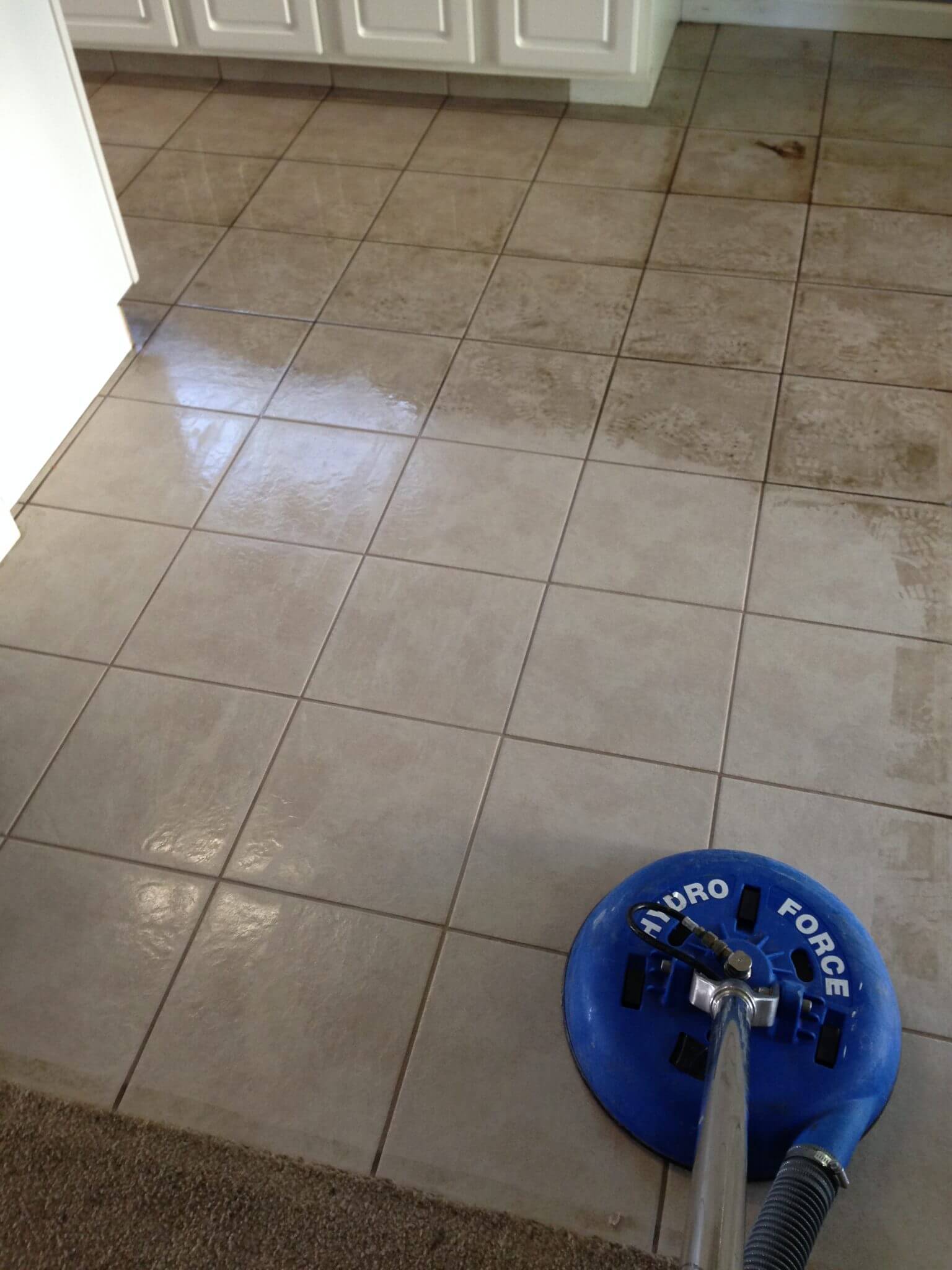
Professional slate floor cleaning uses specialist equipment and stone-safe products to remove deeply embedded dirt without damaging the natural stone. The floor can then be resealed to help protect it from future wear, stains, and moisture.
Frequently Asked Questions
Can I use vinegar to clean a slate floor?
No. Vinegar is acidic and can gradually damage both the slate and its protective sealer. Always choose a pH-neutral cleaner designed for natural stone.
What’s the best cleaner for slate floors?
A pH-neutral cleaner specifically made for natural stone is the safest and most effective option. It removes dirt without harming the slate or leaving behind damaging residue.
How often should slate floors be cleaned?
Busy areas should be swept or vacuumed several times a week. For most homes, mopping once a week with a stone-safe cleaner is enough to keep the floor looking its best.
Can I use a steam mop on slate flooring?
Steam mops aren’t recommended for every slate floor. Excess heat and moisture may weaken certain sealers or affect some types of natural stone. Always check the manufacturer’s recommendations before using one.
How long does slate flooring last?
With proper care, regular maintenance, and occasional professional cleaning, slate flooring can easily last for several decades. In many homes, it continues to look beautiful for 50 years or more.
Summary
Slate flooring is built to last, but like any natural stone, it performs best when it’s cleaned and maintained correctly. Regular sweeping, gentle mopping with a pH-neutral cleaner, and keeping the surface properly sealed are simple steps that can protect your floor for many years.
Avoid harsh chemicals, clean up spills as soon as they happen, and inspect the sealer from time to time. These small habits will help preserve the natural beauty of your slate while reducing the risk of costly repairs in the future.
If your slate floor has lost its shine, developed stubborn stains, or simply hasn’t been professionally cleaned for years, expert care can restore its appearance and extend its lifespan.
At Tile Cleaners, we specialise in professional slate floor cleaning, natural stone restoration, sealing, and ongoing maintenance. Whether you need a deep clean for a single room or complete restoration for your entire property, our experienced team uses safe, proven methods to bring your slate flooring back to its best.
Contact Tile Cleaners today for a free quote and let our experts help restore the natural beauty of your slate floor.