Terrazzo floors are designed to last for decades, but their appearance depends on how well they’re maintained. Many homeowners believe any hard floor cleaner will do the job, only to discover that harsh chemicals, abrasive tools, and improper cleaning methods can gradually dull the surface and damage the protective sealer. Once that happens, restoring the original finish often requires more time and expense than routine maintenance would have.
Learning the correct Terrazzo Floor Cleaning process is the best way to protect your investment. Using the right products, cleaning techniques, and maintenance schedule helps preserve the floor’s natural shine, minimizes surface wear, and extends its lifespan. Whether your terrazzo flooring is in a home or commercial space, following the proper approach will keep it looking its best for years.
Why Is Proper Terrazzo Floor Care Important?
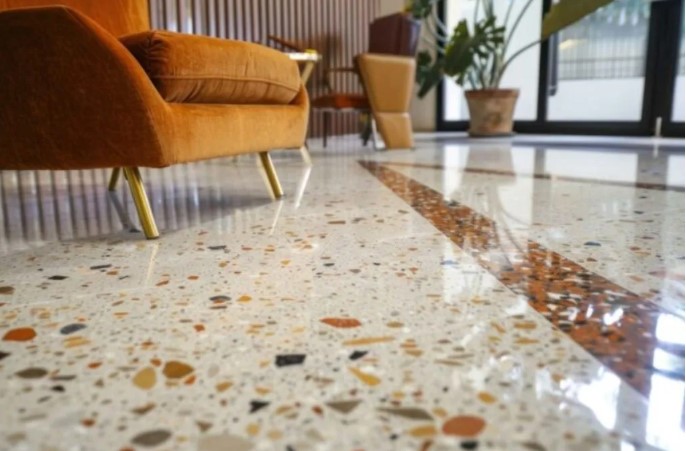
Terrazzo is different from many other flooring materials because it combines natural stone chips with a cement or epoxy binder before being polished and sealed. This creates a beautiful, durable surface, but it also means the floor requires the right care to maintain its appearance. Using incorrect cleaning products or neglecting regular maintenance can slowly reduce its shine and make stains or scratches more noticeable.
Good terrazzo floor care isn’t complicated, but it does require consistency. A few simple habits can prevent unnecessary damage while helping the floor maintain its polished finish for years.
Here’s why proper terrazzo floor care matters:
- Protects the protective sealer from premature wear caused by harsh chemicals.
- Prevents scratches by removing dust, sand, and grit before they can damage the surface.
- Reduces staining by cleaning spills before they penetrate the floor.
- Maintains the floor’s natural shine without relying on aggressive cleaning methods.
- Supports long-term durability, helping you avoid expensive restoration work.
Routine cleaning combined with regular terrazzo floor maintenance is the key to preserving both the appearance and performance of your flooring.
How to Perform Terrazzo Floor Cleaning the Right Way
Proper Terrazzo Floor Cleaning isn’t about using stronger products—it’s about following the correct process. Cleaning the floor correctly removes everyday dirt while protecting the polished finish and reducing long-term wear.
1. Remove Loose Dirt Before Mopping
Always begin by sweeping or vacuuming the floor. Small particles of dirt and sand may seem harmless, but they can scratch terrazzo every time someone walks across the surface or pushes a mop over it.
Best practices include:
- Sweep or dust mop daily in high-traffic areas.
- Use a microfiber dust mop or a vacuum designed for hard floors.
- Pay extra attention to entryways where dirt is most likely to collect.
2. Clean with a pH-Neutral Floor Cleaner
The type of cleaner you choose has a direct impact on the condition of your terrazzo floor. Acidic products such as vinegar, bleach, ammonia, and citrus-based cleaners can gradually weaken the protective finish.
Instead, choose a pH-neutral cleaner that’s specifically formulated for natural stone or terrazzo flooring.
Avoid using:
- Vinegar
- Bleach
- Ammonia-based cleaners
- Abrasive powders
- Steel wool or rough scrubbing pads
For heavily soiled floors, professional terrazzo cleaning is often a safer option than repeatedly using strong household chemicals.
3. Mop Gently and Dry the Surface
After applying the cleaning solution, mop the floor using smooth, even strokes with a microfiber mop. Avoid using excessive water, as standing moisture can affect the sealer over time, particularly on cement-based terrazzo.
Once the floor is clean, dry it with a microfiber cloth or dry mop to prevent streaks and help maintain a polished appearance. Regular cleaning like this also reduces the need for frequent terrazzo polishing, keeping your floors looking cleaner for longer.
Common Mistakes That Can Damage Terrazzo Floors
Even with regular cleaning, certain habits can shorten the lifespan of terrazzo flooring. Many homeowners unknowingly use cleaning methods that slowly damage the surface instead of protecting it. Avoiding these common mistakes can help preserve the floor’s appearance and reduce the need for costly repairs.
Using Harsh Household Cleaners
Many all-purpose cleaners contain acidic or highly alkaline ingredients that aren’t suitable for terrazzo. While they may remove dirt quickly, repeated use can wear down the protective sealer and leave the floor looking dull.
Avoid products that contain:
- Vinegar
- Bleach
- Lemon or citrus extracts
- Ammonia
- Strong degreasers
Instead, choose products specifically designed for terrazzo or natural stone flooring.
Scrubbing with Abrasive Brushes
When a stain doesn’t come off easily, many people reach for a stiff brush or abrasive scrubbing pad. Unfortunately, these tools can leave fine scratches that become more noticeable over time.
A better approach is to let the cleaning solution loosen the dirt before gently wiping the area with a microfiber mop or soft cloth.
Allowing Spills to Sit Too Long
Although terrazzo is durable, it’s still vulnerable to staining if liquids remain on the surface for an extended period. Coffee, wine, cooking oils, and acidic beverages can penetrate weakened sealers and become difficult to remove.
To protect your flooring:
- Wipe up spills immediately.
- Rinse sticky residue with clean water.
- Dry the area completely after cleaning.
Quick attention to spills is one of the simplest ways to support long-term terrazzo floor maintenance.
DIY vs. Professional Terrazzo Cleaning
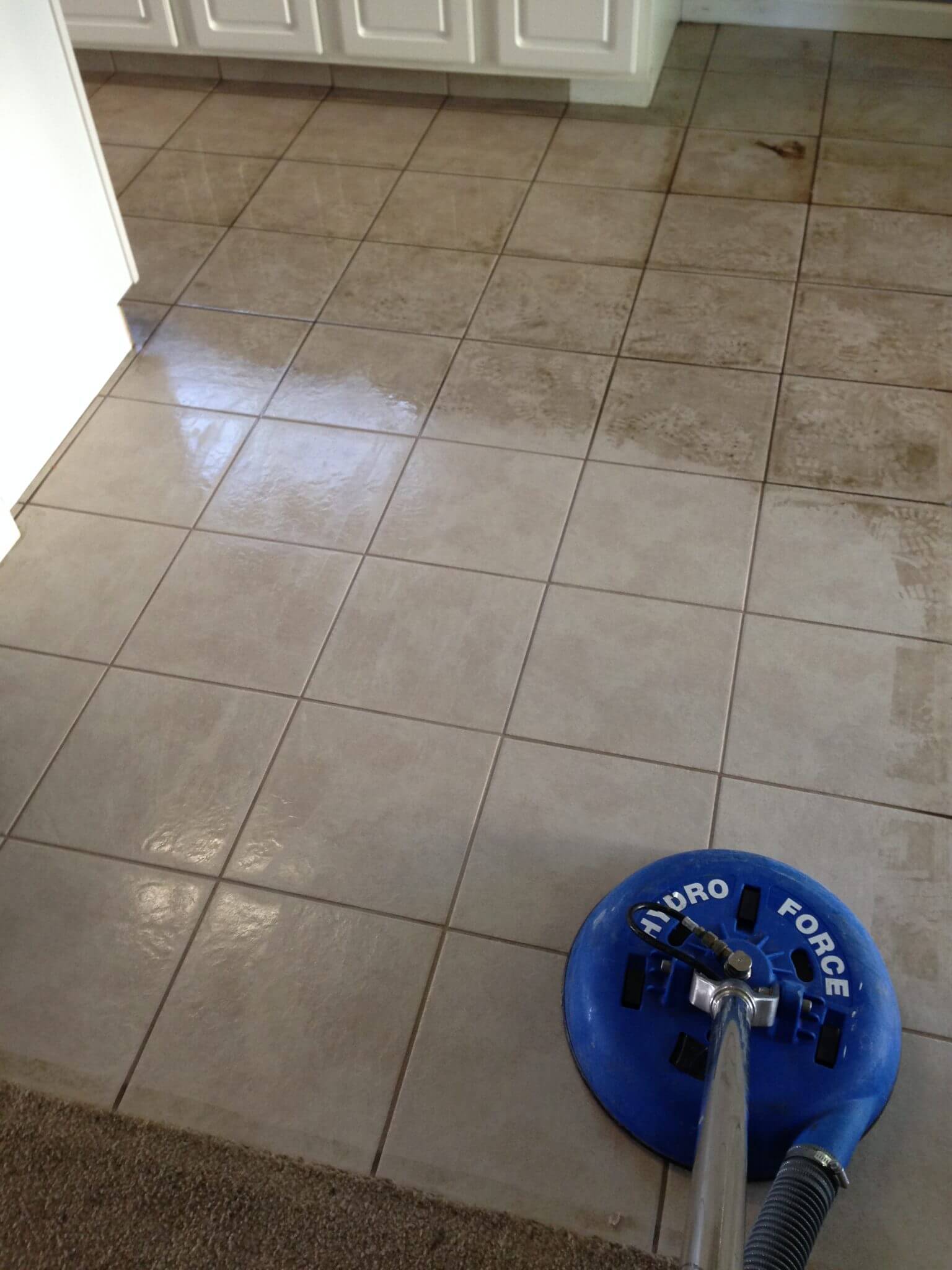
Routine cleaning at home is essential, but it isn’t always enough to keep terrazzo looking its best. Over time, dirt, grime, and contaminants can build up in microscopic pores and worn areas that regular mopping can’t fully clean.
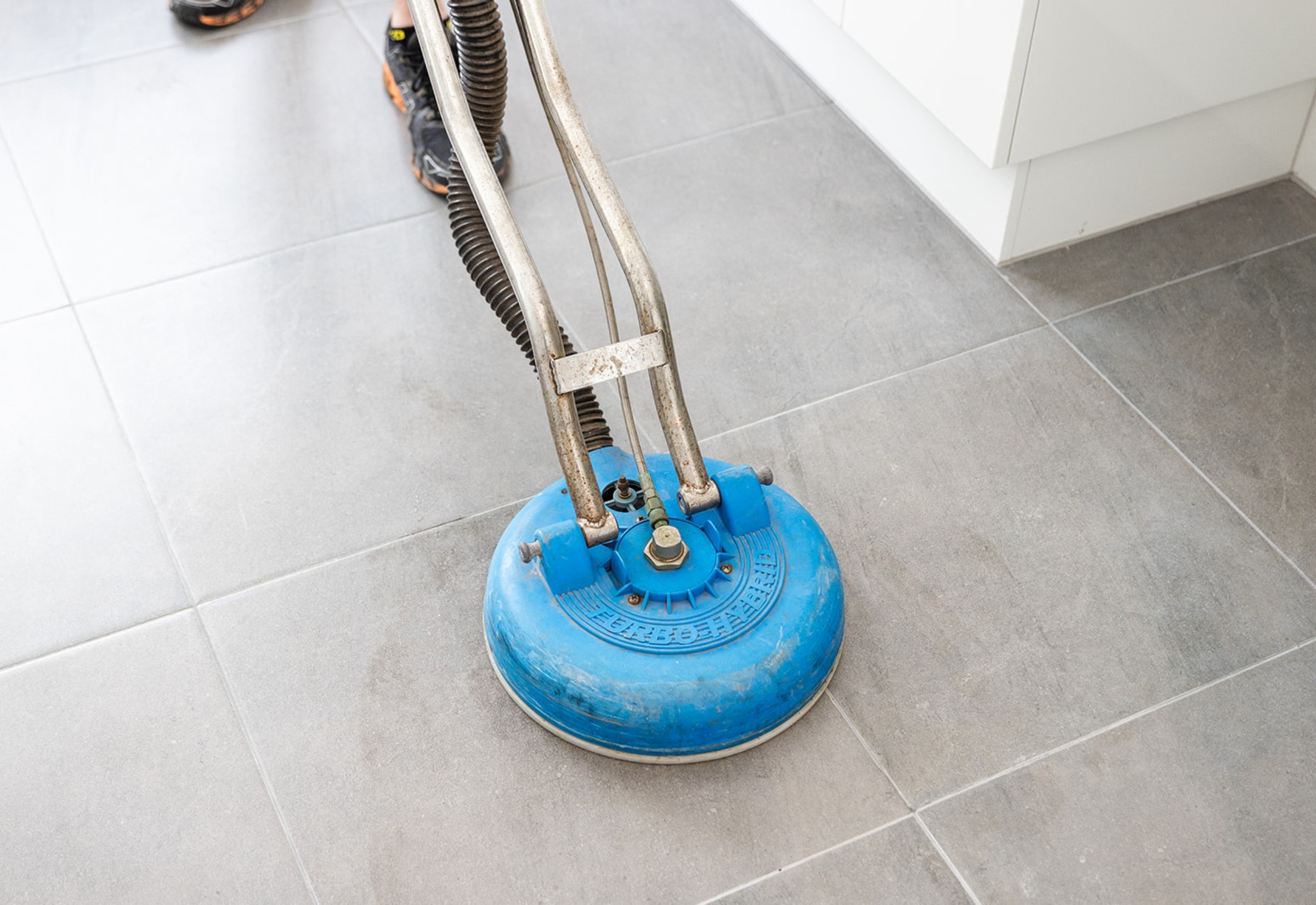
That’s where professional terrazzo cleaning becomes valuable. Professionals use specialized equipment and stone-safe cleaning solutions to remove deep buildup without damaging the floor. They can also assess the condition of the sealer and recommend additional maintenance if needed.
DIY Cleaning Is Best For:
- Removing everyday dust and dirt.
- Weekly or routine maintenance.
- Cleaning light spills and surface marks.
- Preserving the floor between professional services.
Professional Cleaning Is Recommended For:
- Deep embedded dirt and grime.
- Dull or uneven-looking floors.
- Heavy foot traffic areas.
- Floors with stubborn stains.
- Preparing the surface for terrazzo polishing or resealing.
Scheduling professional tile cleaning services periodically helps maintain the original appearance of terrazzo while extending its overall lifespan.
When Does Your Floor Need Terrazzo Stain Removal or Polishing?
Regular cleaning keeps terrazzo looking presentable, but there comes a point when standard maintenance is no longer enough. If stains remain after cleaning or the floor has lost its shine, additional restoration may be necessary.
Knowing the warning signs early can prevent more extensive damage and help restore the floor before problems become permanent.
Signs You May Need Terrazzo Stain Removal
Some stains penetrate beneath the surface and cannot be removed with everyday cleaners.
Watch for:
- Dark spots that remain after mopping.
- Rust or oil stains.
- Discoloration around kitchens or entryways.
- Stains that become more visible after the floor dries.
Professional terrazzo stain removal techniques can safely lift these stains without damaging the surrounding surface.
Signs Your Floor May Need Terrazzo Polishing
As terrazzo ages, daily foot traffic gradually reduces its natural shine. When routine cleaning no longer restores the appearance, terrazzo polishing may be the next step.
Common signs include:
- A dull or faded finish.
- Fine surface scratches.
- Uneven shine across the floor.
- High-traffic areas look worn compared to the rest of the room.
Professional polishing restores clarity and enhances the natural beauty of terrazzo without replacing the flooring.
How Often Should You Clean and Maintain Terrazzo Floors?
A consistent cleaning routine is one of the easiest ways to keep terrazzo floors looking attractive and prevent unnecessary wear. The exact schedule depends on the amount of foot traffic your floors receive, but regular maintenance can significantly extend the life of the surface and reduce the need for major restoration.
A simple maintenance routine includes:
- Sweep or dust mop daily to remove dirt, sand, and debris that can scratch the surface.
- Mop weekly using a pH-neutral cleaner designed for terrazzo or natural stone.
- Clean spills immediately to reduce the risk of staining.
- Schedule professional terrazzo cleaning periodically to remove deep-seated dirt and maintain the floor’s appearance.
- Inspect the protective sealer every few years and reseal the floor when necessary to protect it from moisture and stains.
Following these steps helps support long-term terrazzo floor maintenance while preserving the floor’s natural shine and durability.
Simple Tips to Extend the Life of Your Terrazzo Floors
Daily habits play an important role in keeping terrazzo flooring in excellent condition. Small preventative measures can reduce surface wear and help you avoid unnecessary repairs.
Here are a few practical tips:
- Place doormats at entrances to reduce dirt and grit tracked indoors.
- Use felt pads under furniture legs to help prevent scratches.
- Avoid dragging heavy furniture across the floor.
- Use microfiber mops instead of abrasive brushes.
- Never use acidic or bleach-based cleaners.
- Address stains as soon as possible before they become harder to remove.
These simple practices help protect your investment and keep your flooring looking its best throughout the year.
Frequently Asked Questions
Can I use vinegar to clean terrazzo floors?
No. Vinegar and other acidic cleaners can damage the protective sealer and gradually dull the surface. A pH-neutral terrazzo cleaner is the safest choice.
How often should terrazzo floors be professionally cleaned?
For most homes, professional cleaning every 12 to 18 months is recommended. Commercial properties or high-traffic areas may benefit from more frequent service.
Is terrazzo polishing the same as cleaning?
No. Cleaning removes dirt and surface contaminants, while terrazzo polishing restores the floor’s shine by refining the surface with specialized equipment.
What’s the best way to remove stains from terrazzo?
The safest approach depends on the type of stain. For deep or stubborn marks, professional terrazzo stain removal is recommended to avoid damaging the floor.
How can I keep my terrazzo floors looking new?
Regular sweeping, weekly cleaning with a pH-neutral cleaner, prompt spill cleanup, and scheduled terrazzo floor maintenance will help preserve the appearance and durability of your terrazzo floors for many years.
Summary
Proper Terrazzo Floor Cleaning is about more than maintaining a clean appearance—it’s about protecting the surface, preserving its natural beauty, and extending the life of your flooring. Using pH-neutral cleaning products, following a regular maintenance routine, and avoiding harsh chemicals or abrasive tools can make a noticeable difference over time.
While routine cleaning is essential, some floors eventually require professional terrazzo cleaning, terrazzo stain removal, or terrazzo polishing to restore their original finish. Knowing when to move beyond everyday cleaning helps prevent long-term damage and keeps terrazzo looking its best.
If your terrazzo floors have lost their shine, developed stubborn stains, or simply need expert attention, Tile Cleaners provides professional terrazzo floor cleaning services designed to restore and protect your floors. Our experienced team uses safe, effective cleaning methods tailored to the unique needs of terrazzo, helping you enjoy beautiful, long-lasting results.