Keeping tile and grout clean in Phoenix homes can feel like a never-ending battle. Despite regular mopping and cleaning, floors and surfaces often look dull, stained, or discolored far sooner than expected. This isn’t just about cleaning habits—it’s also about the unique environmental and lifestyle factors that affect homes in this region.
In this comprehensive guide, we’ll explore why tile and grout get dirty quickly, practical strategies for how to clean tile and grout effectively, and proven tile and grout maintenance tips that help homeowners maintain a spotless, long-lasting finish.
Why Tile and Grout Get Dirty Quickly in Phoenix Homes
Understanding the root causes is the first step toward maintaining clean surfaces. Several factors affecting tile and grout cleanliness are especially relevant in Phoenix.
1. Desert Dust and Fine Particles
Phoenix’s dry climate produces a constant presence of fine dust. These particles easily settle into grout lines, which are naturally porous. Over time, even small amounts of dust accumulate and create visible discoloration.
2. Hard Water Residue
Hard water is a common issue in Phoenix. Minerals like calcium and magnesium leave behind stubborn residues on tile surfaces and grout lines. These deposits not only dull the appearance but also attract more dirt.
3. High Foot Traffic
Busy households bring in dirt, sand, and debris from outdoors. Even with shoes removed, microscopic particles cling to socks or pets and settle into grout lines.
4. Porous Nature of Grout
Grout acts like a sponge. It absorbs moisture, spills, oils, and dirt, making it highly susceptible to staining. Without proper sealing, grime penetrates deeply, making cleaning more difficult.
5. Improper Cleaning Techniques
Using the wrong cleaning products—especially harsh chemicals or excessive water—can actually worsen the problem. Residue buildup from cleaners can trap dirt instead of removing it.
How to Clean Tile and Grout Effectively
Cleaning tile and grout requires more than a quick mop. To restore and maintain cleanliness, you need the right methods and consistency.
1. Start with Dry Cleaning
Before applying any liquid cleaner, sweep or vacuum thoroughly. This removes loose debris that could otherwise spread and settle deeper into grout during wet cleaning.
2. Use a pH-Neutral Cleaner
Avoid acidic or overly harsh cleaners that can damage grout. A pH-neutral solution is ideal for breaking down dirt without degrading the surface.
3. Target Grout Lines Specifically
Grout requires focused attention. Use a soft-bristle brush or grout brush to gently scrub along the lines. Circular motions help lift embedded dirt more effectively.
4. Avoid Excess Water
Too much water can seep into grout, weakening its structure and encouraging mold or mildew growth. Use a damp—not soaking—mop or cloth.
5. Rinse and Dry Properly
Always rinse away cleaning residue with clean water and dry the area thoroughly. This prevents streaks and reduces the chances of dirt reattaching to the surface.
6. Consider Periodic Deep Cleaning
Even with regular care, grout can accumulate deep-seated grime. Scheduling periodic deep cleaning ensures a more thorough refresh and helps extend the life of your tile.
Key Factors Affecting Tile and Grout Cleanliness
Several ongoing factors determine how clean your tile surfaces stay over time.
Environmental Conditions
Phoenix’s climate contributes to rapid dust accumulation. Seasonal changes, such as monsoon storms, can also bring in additional debris.
Household Habits
Frequent cooking, pets, children, and high foot traffic all increase the amount of dirt introduced into your home.
Type of Tile and Grout
Different materials have varying levels of porosity and durability. For example, natural stone tiles may require more specialized care compared to ceramic tiles.
Sealing and Maintenance Practices
Properly sealed grout resists moisture and stains. Without sealing, grout becomes more vulnerable to dirt and discoloration.
Tile and Grout Maintenance Tips for Long-Lasting Cleanliness
Maintaining clean tile and grout isn’t about constant scrubbing—it’s about adopting smart habits that prevent buildup in the first place.
1. Sweep or Vacuum Frequently
Daily or regular removal of loose dirt prevents particles from settling into grout lines.
2. Clean Spills Immediately
Liquids can quickly seep into grout and cause stains. Prompt cleanup reduces long-term damage.
3. Use Doormats and Rugs
Place mats at entry points to minimize the amount of dirt brought inside. This simple step significantly reduces cleaning efforts.
4. Remove Shoes Indoors
Encouraging a no-shoes policy helps limit the amount of outdoor debris entering your home.
5. Reseal Grout Periodically
Applying a grout sealer creates a protective barrier against moisture and stains. Depending on usage, resealing may be needed annually.
6. Use Gentle Cleaning Tools
Avoid abrasive brushes or pads that can damage grout and tile surfaces. Soft tools are more effective and preserve the material’s integrity.
Common Mistakes to Avoid When Cleaning Tile and Grout
Even with good intentions, certain mistakes can make cleaning less effective or even harmful.
Overusing Harsh Chemicals
Strong cleaners can erode grout and leave behind residues that attract more dirt.
Skipping Regular Maintenance
Infrequent cleaning allows dirt to build up, making it harder to remove later.
Ignoring Grout Sealing
Unsealed grout is highly vulnerable to staining and moisture damage.
Using Dirty Mop Water
Mopping with dirty water spreads grime instead of removing it, leading to dull and uneven results.
When to Consider Professional Help
While regular maintenance goes a long way, some situations require expert attention.
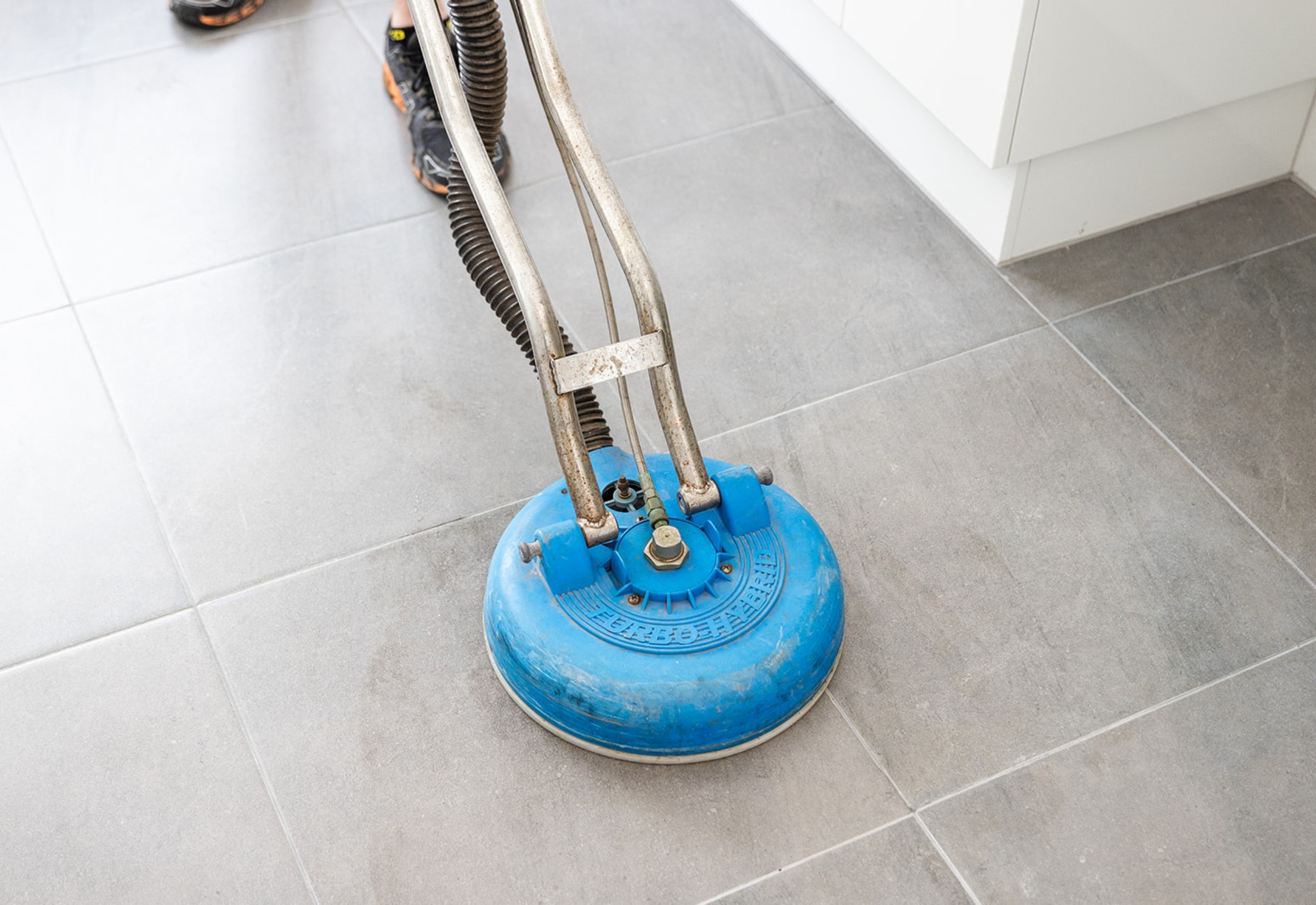
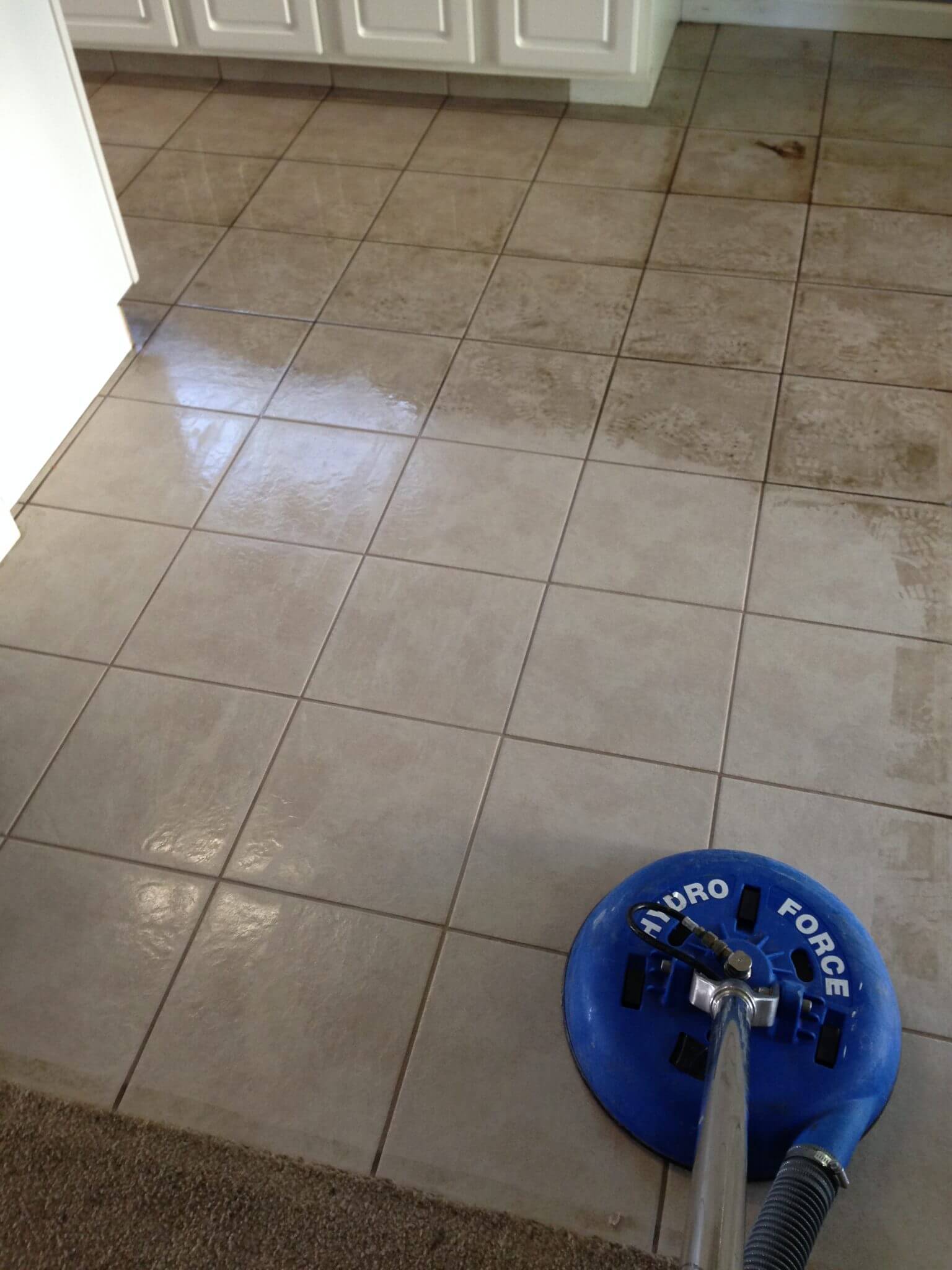
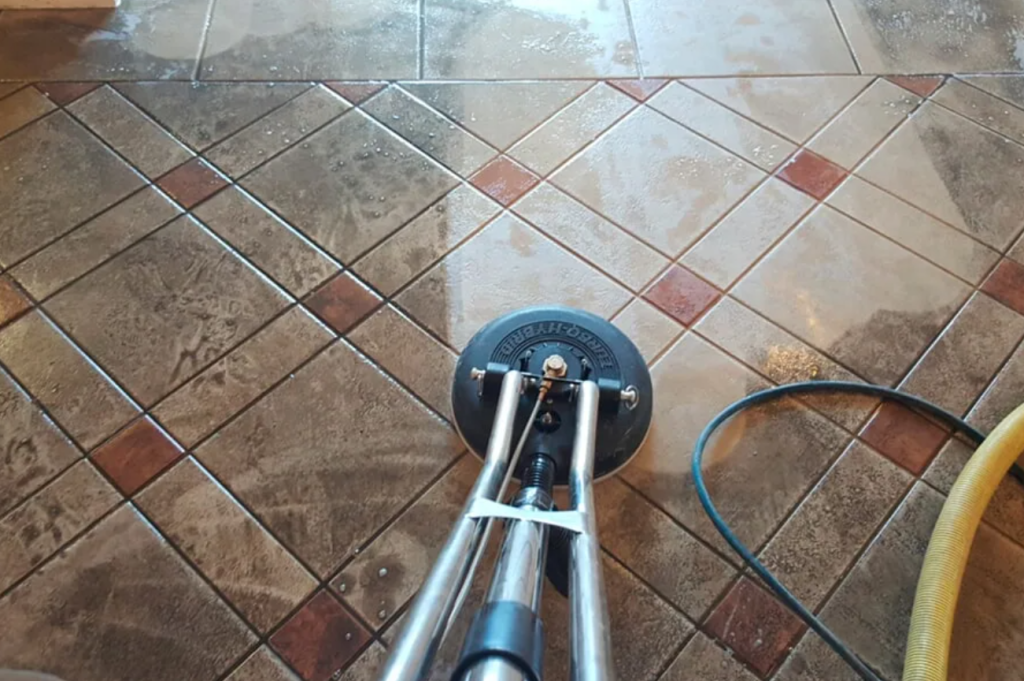
If your grout remains discolored despite repeated cleaning, or if stains have penetrated deeply, professional cleaning may be the best solution. Advanced equipment and specialized techniques can restore tile and grout more effectively than standard household methods.
For homeowners searching for reliable solutions, services specializing in tile and grout cleaning in Phoenix can address stubborn buildup and restore surfaces to their original appearance.
Benefits of Keeping Tile and Grout Clean
Maintaining clean tile and grout isn’t just about aesthetics—it offers several long-term benefits.
Improved Indoor Hygiene
Clean surfaces reduce the buildup of bacteria, mold, and allergens, contributing to a healthier living environment.
Enhanced Appearance
Bright, clean grout lines make the entire space look newer and more appealing.
Increased Longevity
Proper care prevents damage, extending the lifespan of your tile and grout.
Reduced Maintenance Costs
Preventative care minimizes the need for costly repairs or replacements.
FAQs
How often should tile and grout be cleaned in Phoenix homes?
Regular cleaning should be done weekly, with deeper cleaning performed every few months depending on foot traffic and environmental conditions.
Why does grout get dirty faster than tile?
Grout is porous, meaning it absorbs dirt, moisture, and spills more easily than the smooth surface of tile.
Can I use bleach to clean grout?
While bleach can remove stains, frequent use may weaken grout and cause discoloration over time. It’s best used sparingly and with caution.
How do I prevent grout from staining?
Sealing grout and cleaning spills immediately are the most effective ways to prevent staining.
Is professional cleaning worth it?
Yes, especially for deeply embedded dirt or large areas. Professional services can achieve results that are difficult to replicate with household tools.
Summary
Keeping tile and grout clean in Phoenix requires a combination of proper techniques, consistent maintenance, and an understanding of environmental factors. From managing desert dust to addressing hard water buildup, homeowners must take a proactive approach to preserve the appearance and durability of their surfaces.
By following the strategies outlined above, you can significantly improve cleanliness and reduce long-term wear. For those seeking expert support, businesses like Tile Cleaners offer specialized solutions designed to restore and maintain tile surfaces efficiently—helping you achieve lasting results with less effort.