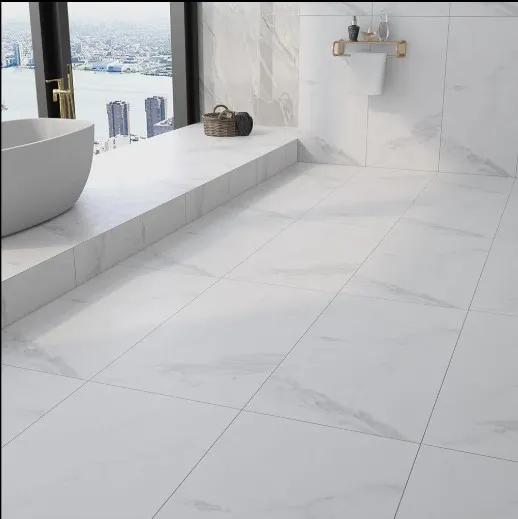
Limestone is one of the most elegant natural stones used in homes and commercial spaces. Its soft texture, unique patterns, and timeless appearance make it a popular choice for flooring, kitchens, bathrooms, patios, and entryways. However, unlike ceramic or porcelain tiles, limestone is porous and requires proper care to maintain its beauty.
Without the right cleaning methods, limestone can become stained, scratched, or lose its natural finish over time. Following expert maintenance practices not only keeps your floors looking their best but also helps extend the lifespan of your investment. Whether you maintain your floors yourself or hire a professional, understanding the basics of Limestone Tile Cleaning is essential for preserving natural stone.
Understand Why Limestone Requires Special Care
Limestone is a sedimentary natural stone with a porous surface that easily absorbs moisture, dirt, oils, and spills. Because of this, using the wrong cleaning products or abrasive tools can permanently damage the stone.
Unlike harder flooring materials, limestone benefits from gentle cleaning techniques and routine maintenance. A proactive approach prevents dirt from becoming embedded in the surface and reduces the need for costly restoration work later.
Sweep and Remove Dirt Every Day
Dust, sand, and small debris may seem harmless, but they can act like sandpaper under foot traffic. Over time, these particles create fine scratches that dull the stone’s natural appearance.
To reduce surface wear:
- Sweep or dust mop floors daily.
- Vacuum using a hard-floor setting.
- Place entrance mats at exterior doors.
- Remove shoes that carry dirt or grit indoors.
Simple habits like these significantly reduce long-term damage and make routine cleaning much easier.
Use Stone-Safe Cleaning Products
One of the biggest mistakes homeowners make is using acidic household cleaners on limestone. Products containing vinegar, lemon juice, bleach, or ammonia can etch the surface and leave permanent marks.
Instead, choose cleaners specifically designed for natural stone. A pH-neutral solution safely removes everyday dirt without affecting the stone’s finish.
When performing Natural Stone Floor Cleaning, always:
- Follow the manufacturer’s dilution instructions.
- Use a soft microfiber mop.
- Avoid soaking the floor with excessive water.
- Dry the surface after cleaning to prevent moisture absorption.
These simple practices help maintain both appearance and durability.
Clean Spills Immediately
Because limestone absorbs liquids quickly, spills should never be left sitting on the surface.
Common staining substances include:
- Coffee
- Wine
- Tea
- Cooking oil
- Juice
- Pet accidents
Blot spills gently with a soft cloth instead of rubbing them across the tile. Prompt cleanup minimizes staining and protects the stone from permanent discoloration.
Avoid Abrasive Cleaning Tools
Scrub brushes with stiff bristles, steel wool, and abrasive scouring pads can scratch limestone and remove its natural finish.
For safe cleaning, use:
- Microfiber cloths
- Soft mops
- Non-abrasive sponges
- Soft-bristle brushes for grout
Gentle cleaning protects the stone while still removing everyday dirt and grime effectively.
Schedule Professional Limestone Tile Cleaning
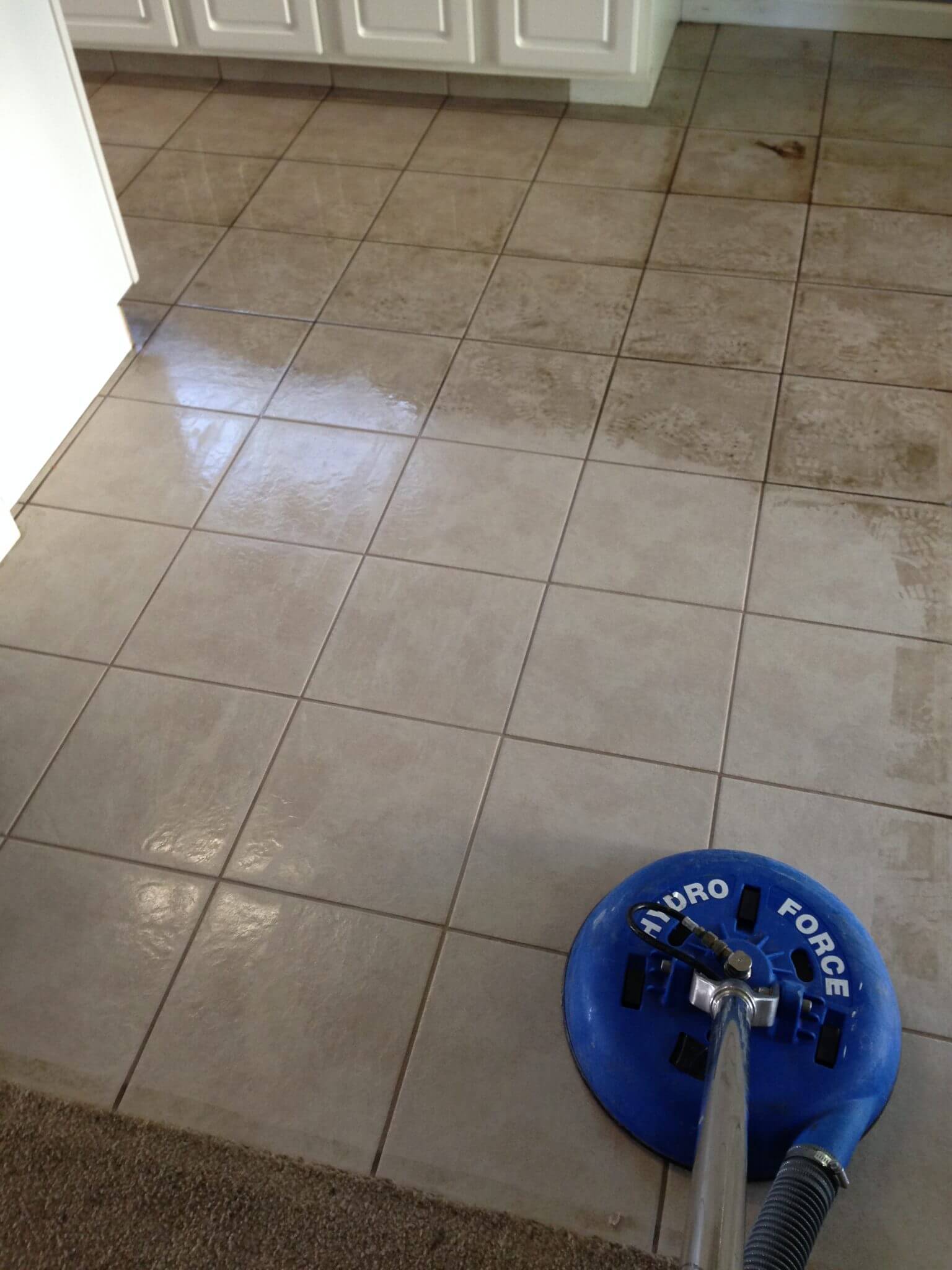
Even with excellent daily maintenance, limestone gradually accumulates deeply embedded dirt that household cleaning cannot remove.
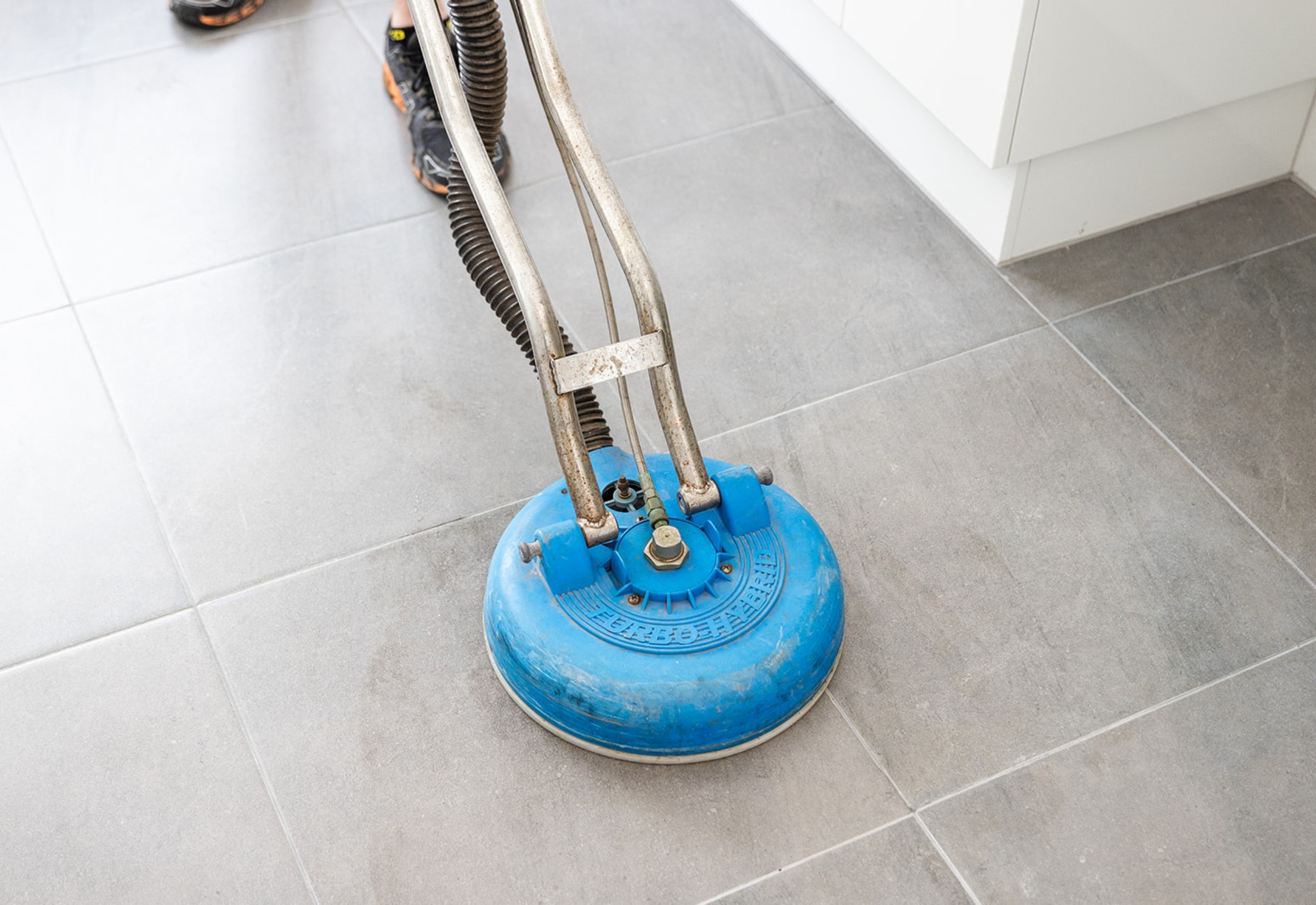
Professional Limestone Tile Cleaning uses specialized equipment and stone-safe cleaning solutions designed to lift contaminants without damaging the surface. Experienced technicians also understand how to clean different limestone finishes, including honed, polished, and textured stone.
Professional cleaning is especially beneficial for:
- High-traffic hallways
- Kitchens
- Commercial buildings
- Bathrooms
- Entryways
Scheduling deep cleaning every 12 to 18 months helps restore the stone’s natural beauty and extends its lifespan.
Protect Your Floors with Limestone Tile Sealing
Cleaning alone is only part of proper stone care. Sealing provides an invisible protective barrier that reduces moisture penetration and helps resist stains.
Quality Limestone Tile Sealing offers several advantages:
- Reduces liquid absorption
- Helps prevent staining
- Makes routine cleaning easier
- Protects against everyday wear
- Extends the life of the stone
Depending on traffic levels and the type of sealer used, limestone should generally be resealed every two to five years. A professional can recommend the best schedule for your flooring.
Prevent Scratches Before They Happen
Preventive maintenance is often more effective than restoration.
Protect your limestone by:
- Using felt pads under furniture legs.
- Lifting furniture instead of dragging it.
- Placing rugs in busy walkways.
- Keeping pet nails trimmed.
- Cleaning dirt before it builds up.
Small preventive measures can significantly reduce long-term wear and preserve the stone’s original appearance.
Maintain Indoor Moisture Levels
Excess moisture can affect porous natural stone over time. Bathrooms, laundry rooms, and basements should have adequate ventilation to reduce humidity.
If water pools on limestone flooring after mopping or spills, dry it promptly. Consistent moisture management helps maintain the integrity of both the stone and grout.
Know When Restoration Is Needed
Routine maintenance keeps limestone in excellent condition, but some issues require professional restoration.
Signs include:
- Deep stains
- Dull or uneven finish
- Surface scratches
- Etching from acidic products
- Worn traffic paths
- Persistent discoloration
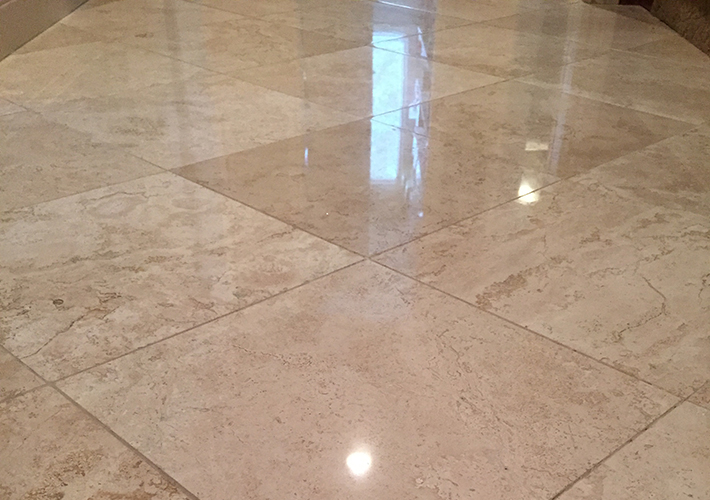
Professional restoration may involve deep cleaning, honing, polishing, stain removal, or resealing to return the floor to its original beauty.
Build a Long-Term Maintenance Routine
Consistency is the key to beautiful limestone floors.
A simple maintenance schedule might include:
Daily
- Sweep or dust mop.
Weekly
- Mop using a pH-neutral stone cleaner.
Monthly
- Inspect for stains or damaged grout.
Annually
- Schedule a professional inspection and deep cleaning if needed.
Following a regular routine prevents small issues from becoming expensive repairs.
Frequently Asked Questions
How often should limestone tile be professionally cleaned?
Most residential limestone floors benefit from professional cleaning every 12 to 18 months, while high-traffic commercial areas may require more frequent service.
Can I use vinegar to clean limestone tile?
No. Vinegar and other acidic cleaners can permanently etch and damage limestone. Always use a pH-neutral cleaner designed for natural stone.
Why is sealing important for limestone?
Sealing helps reduce moisture absorption, minimizes staining, and makes everyday cleaning easier while extending the life of the stone.
What is the best way to remove dirt from limestone floors?
Sweep or vacuum regularly, clean with a stone-safe cleaner, and schedule professional deep cleaning when embedded dirt cannot be removed through routine maintenance.
Can scratched limestone floors be restored?
Yes. Light scratches, dullness, and surface wear can often be corrected through professional honing, polishing, and restoration services.
Summary
Beautiful limestone floors are the result of consistent care rather than occasional deep cleaning. Daily sweeping, prompt spill removal, stone-safe cleaning products, and regular sealing all contribute to preserving the natural elegance of this timeless material.
While regular maintenance can keep limestone looking its best, professional Limestone Tile Cleaning is the most effective way to remove embedded dirt, restore the stone’s natural appearance, and protect your investment for years to come. Tile Cleaners provides professional limestone cleaning services that help homeowners and businesses maintain cleaner, longer-lasting natural stone floors with the proper care and techniques.